

Why Most People Aren’t Really Listening
Here’s the thing: listening isn’t passive. When someone talks to you, your brain is probably already planning what you’ll say next, judging their words, or thinking about your own experience. We call this “pseudo-listening,” and it’s everywhere. You’re sitting across from someone, nodding, but you’re not actually hearing them.
In Hong Kong workplaces, this gets worse. Cultural expectations around politeness and directness mean people often hold back what they really think. They’re waiting for the “right” moment to speak, or they’re filtering their words to be less direct. If you’re not truly listening—picking up on tone, hesitation, what’s left unsaid—you’ll miss the real message entirely.
Active listening changes this. It’s a specific set of techniques, not a personality trait. You don’t need to be naturally empathetic or outgoing. You just need to learn the skills and practice them.


The Core Techniques: What Active Listening Actually Looks Like
Active listening has five main components. You don’t need to master all of them overnight—start with one or two and build from there.
1. Full Attention
Put your phone away. Make eye contact. Face the person directly. Your body language tells them whether you’re really listening. In Hong Kong meetings, this matters—it shows respect.
2. Minimal Responses
Use small acknowledgments: “I see,” “Go on,” “That makes sense.” Don’t interrupt. Don’t jump to advice. Just signal you’re following along.
3. Reflection
Mirror back what you heard: “So you’re saying the deadline feels impossible with current resources?” This shows you understood and gives them a chance to clarify.
4. Open Questions
Ask questions that can’t be answered with yes/no. “How did that affect you?” rather than “Did that bother you?” You’ll learn more.
5. Patience With Silence
People need time to think. Don’t fill every pause. Wait 3-5 seconds after someone stops talking. They might have more to say.
A Note on Cultural Context
Active listening techniques are universal, but how you apply them varies by culture. In Hong Kong, direct eye contact with senior colleagues can sometimes feel too aggressive. You might show attention through posture, nodding, and thoughtful pauses instead. The goal isn’t to change your culture—it’s to listen authentically while respecting the context you’re in.
How Active Listening Transforms Relationships
When you actually listen, people notice. They feel heard. And when people feel heard, trust builds—fast. We’re talking about real, measurable shifts in how relationships work.
In professional settings, you’ll see this in meetings. Colleagues will open up more. They’ll share concerns earlier instead of waiting until problems blow up. Your manager will trust your judgment because you’ve shown you understand the full picture. Teams collaborate better when everyone feels like their voice matters.
Personally, it’s even stronger. Friendships deepen. Family conflicts don’t escalate as quickly. Your partner feels genuinely supported, not just heard-but-not-really. The shift isn’t dramatic overnight—it’s gradual. But after 3-4 weeks of consistent practice, people will comment on it. “You seem different lately,” they might say. What changed is you’re finally listening.

Handling Difficult Conversations With Confidence
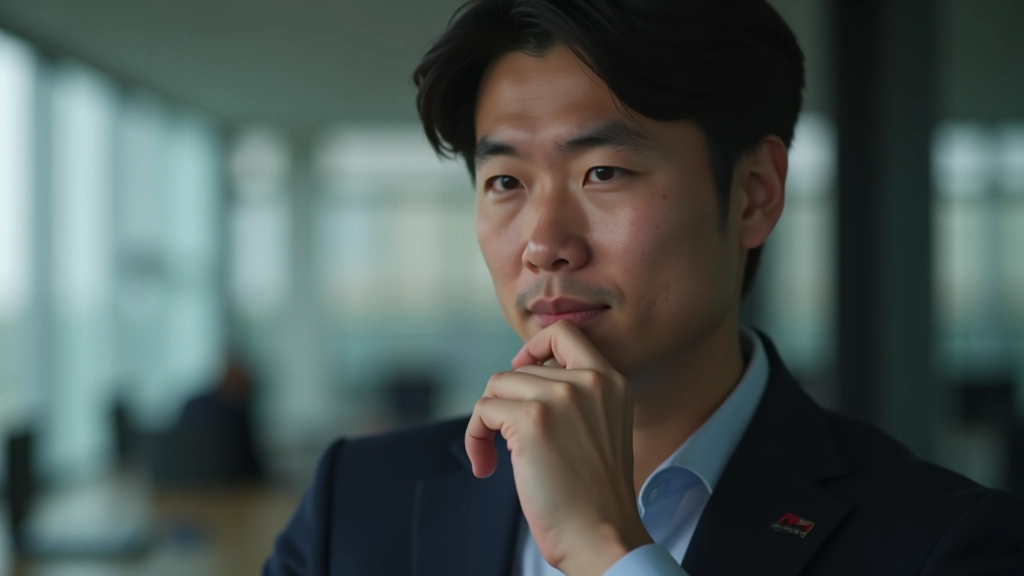
Where active listening really shines is in tough conversations. When emotions are high or stakes feel big, most people either shut down or push harder. Active listening creates a third path: you stay present, you hear what’s underneath the words, and you respond to the actual issue instead of the surface argument.
Let’s say a colleague is frustrated about a project decision you made. You could defend your choice. Instead, you listen. “Help me understand what concerns you most about this direction.” You’ll probably discover the real issue isn’t what you thought. Maybe it’s not the decision itself—it’s that they weren’t consulted. Once you know that, you can actually solve the problem.
This is where active listening connects to assertiveness. You’re not backing down from your position. You’re not being aggressive either. You’re getting complete information so you can make better decisions together. That’s the Hong Kong communication sweet spot—direct enough to be clear, respectful enough to maintain relationships.
Starting Your Practice This Week
Pick One Conversation
Today or tomorrow, choose one person to truly listen to. Your manager, a colleague, a friend. Give it full focus for just that conversation.
Use Reflection
At least once, say back what you heard: “What I’m hearing is…” This is the easiest technique to start with and people respond immediately.
Notice the Difference
Pay attention to how they respond. Do they open up more? Do they seem relieved? That feedback will motivate you to keep practicing.
Build Gradually
Add one technique per week. After a month, you’ll have a full toolkit. But start simple. Reflection and minimal responses are enough to transform how people experience talking with you.
The Real Foundation
Active listening isn’t about being nice or appearing interested. It’s a practical skill that changes how relationships work. You’ll understand people better. They’ll trust you more. Conflicts resolve faster. Collaboration improves. Teams feel safer speaking up.
In a place like Hong Kong where cultural nuance matters, where indirect communication is often the norm, truly listening is a competitive advantage. It’s also genuinely rare. Most people are waiting for their turn to talk. When you actually listen, you stand out.
Start this week. Pick one conversation. Use one technique. See what shifts. You’ll be surprised how quickly people respond when they realize someone is finally actually listening.